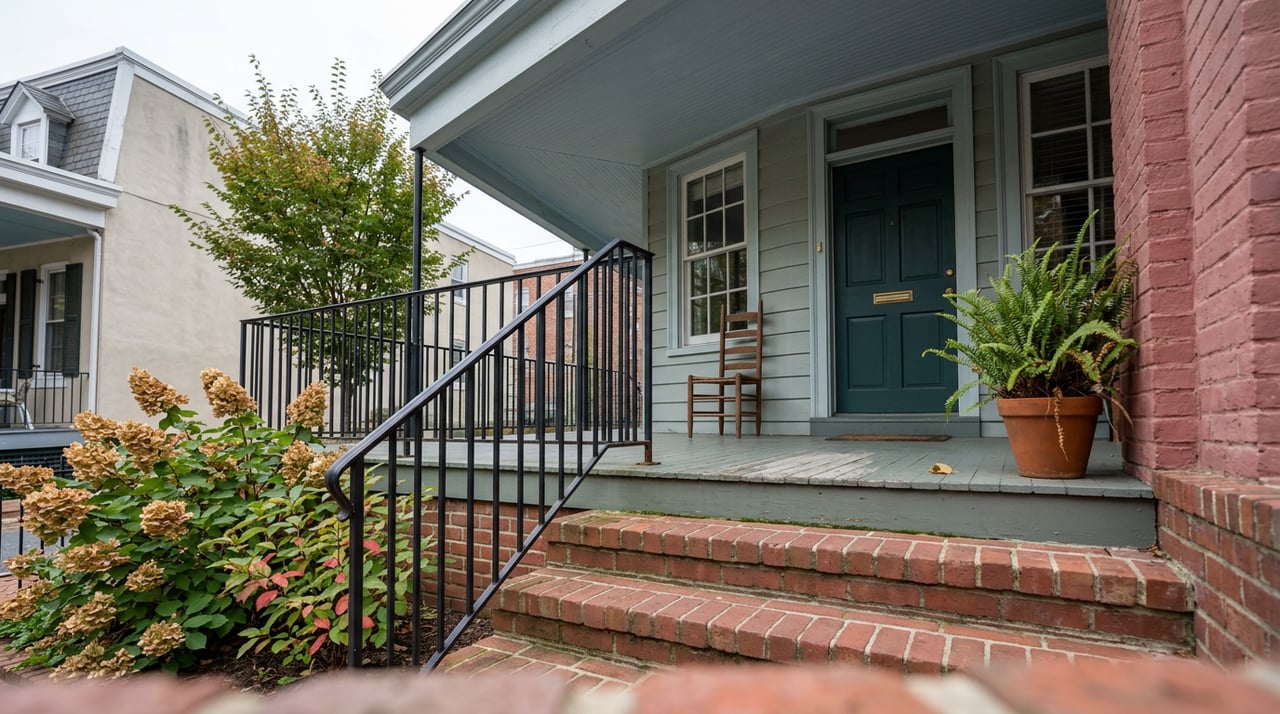
At the end of April, Dos Gringos served its last Primo Avocado Sandwich. Twenty-six years is a long run for any restaurant, let alone one on a five-block commercial strip in Northwest DC, and owner Alex Kramer had earned the right to call it quits. She'd built the place with a partner and the Latino Economic Development Center, given the menu a bilingual voice from day one, and turned a Victorian house with a wraparound patio into the kind of spot where regulars order by first name. When she announced the closing, she thanked the neighborhood for letting her live a life she valued. That read like an ending.
It wasn't. By mid-July, signage went up for Lucha Sandwiches & More in the same space at 3116 Mount Pleasant Street NW. The new owner, Chad Henry, is a friend of Kramer's from her Dos Gringos days. He kept the $1 cup of coffee. And according to his own announcement, Kramer is still behind the counter, just wearing a different apron. If you were a regular, your order still gets made by someone who knows how you take it.
That's the part about this block that doesn't show up in the roundups of new restaurant openings. Mount Pleasant Street isn't churning through businesses the way some commercial corridors do, where a storefront cycles through three concepts in five years and nobody remembers what used to be there. It's succeeding them. The building stays. The staff often stays. Only the name above the door changes, and sometimes not even that changes as much as it looks like it does.
The Building Rarely Starts Over
Walk two blocks south from the Lucha space and you'll find Bar Del Monte, the no-tipping Italian spot the Pastan family opened in 2024. Peter Pastan, who runs the longstanding pizzeria 2 Amys, wanted his son Oliver to have a restaurant with no line on the receipt for gratuity, prices built to cover full wages instead. The building they found for it wasn't new construction. It was a 1920s filling station that had spent its middle decades as a mid-century auto repair shop, exposed brick and big windows intact, the concrete floor still bearing that garage-era feel. Oliver's team layered in polished concrete with a terrazzo effect and left the bones alone. You're eating lamb skewers and thin-crust pizza in a room that used to smell like motor oil.
Down the street, the same logic shows up in a smaller detail. Ellē's pastry case, the one that turns out guava turnovers on Saturday mornings, rose out of ovens that belonged to the building's previous life as a bakery. Nobody ripped those out to start fresh. Whoever moved in inherited the equipment along with the address.
None of this is coincidence, and none of it is really about restaurants. It's about what's underneath the restaurants.
Why Nothing on This Block Gets Torn Down
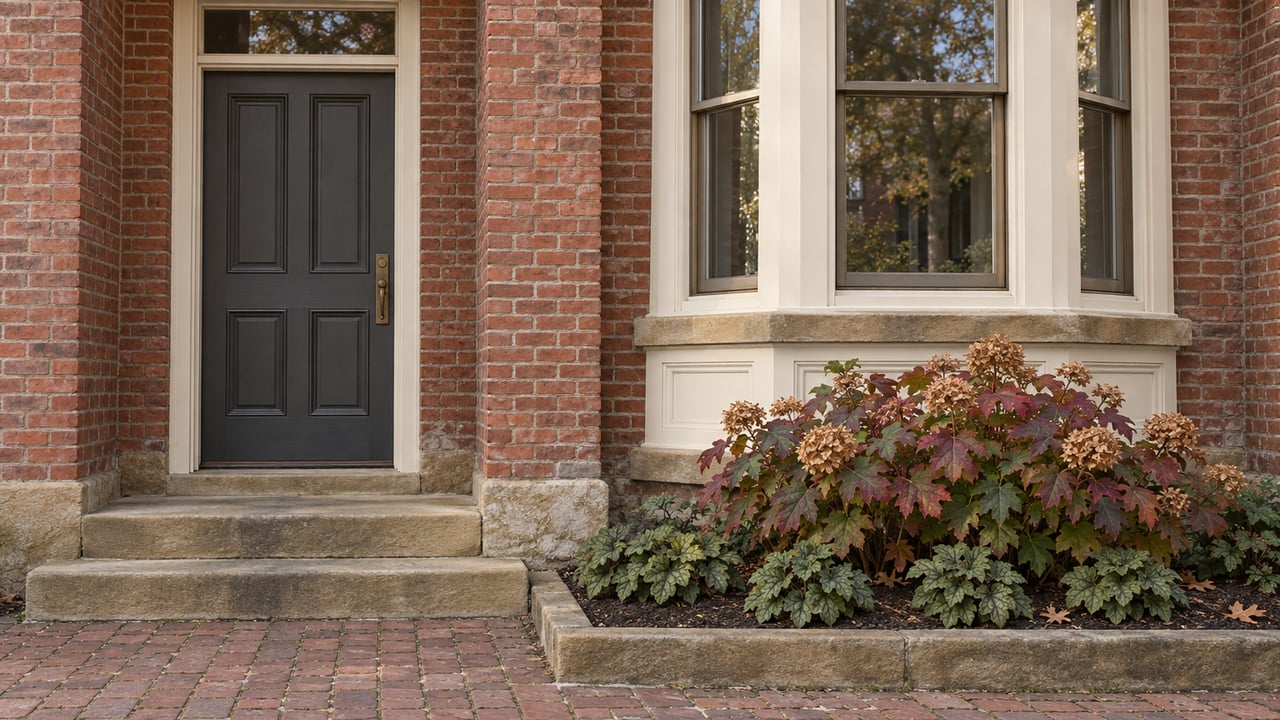
Mount Pleasant has been a designated historic district since 1987, and that designation covers roughly 1,100 buildings dating from about 1870 to 1949. A historic district doesn't freeze what happens inside a building. It restricts what can happen to the outside. Demolition is off the table for a contributing structure, and any exterior change goes through review. For a new operator scouting space on this strip, that means the cheapest path forward is almost never a teardown and rebuild. It's finding a shell that already fits and working inside it. That's why the auto shop became a restaurant instead of a parking structure, and why a bakery's ovens ended up baking something new instead of getting hauled to a scrapyard.
There's a second, smaller mechanism working alongside the historic designation. Since 2016, the corridor has carried a District Bridges DC Main Street designation, first awarded to what was then called the Columbia Heights Initiative by the DC Department of Small and Local Business Development. The program offers grants of up to $5,000 to small businesses inside the corridor. Five thousand dollars doesn't buy out a lease or fund a full build-out. It covers the smaller, unglamorous costs that actually stall a handoff: a new awning, a second coat of paint, an electrical inspection before opening day. It's the difference between a nine-month construction gap with the storefront dark and a changeover fast enough that regulars barely notice.
Put those two things together and you get a corridor where the physical stock almost never grows or shrinks. New concepts arrive by inheriting a space, not by building one from scratch. That's a different market dynamic than the one most DC commercial strips run on, where turnover means vacancy and vacancy means a stretch of dark storefronts until someone finances something new.
What's Actually Open Right Now
If you're planning a Saturday on the strip this fall, here's what you'll find between the Plaza and the Bar Del Monte end of the block:
- Mount Pleasant Farmers Market, Saturdays 9am to 1pm at the corner of 17th and Lamont, all twelve months of the year. Most DC farmers markets run seasonally, May through November. This one, founded in 2003 by neighbor Nina Planck and grown into its current form by Robin Shuster, doesn't take a winter off. Every producer sells from within the Chesapeake Bay Watershed, inside a 125-mile radius of DC, a tighter sourcing rule than most FRESHFARM markets in the city.
- Marx Cafe, at the north end, full bar with Mediterranean-inspired plates and live music or a DJ most nights. Good spot to grab a seat before the dinner crowd fills in elsewhere.
- Bold Fork Books, a short detour off the main strip and reportedly the only bookstore in DC built entirely around cooking and food writing, from cookbooks to DC-specific guides.
- Bar Del Monte, walk-in only, no reservations, prices that already include service.
- Ellē, for the pastry case that runs on borrowed ovens.
- Suns Cinema, a small-seat screening room worth arriving early for if you want a comfortable spot.
- Lucha Sandwiches & More, in the old Dos Gringos house, still pouring that dollar coffee.
The market is the one piece of this list that outlasts everything else on it. It opened in 2003, which means it predates every restaurant currently on this strip, including the one that just closed after 26 years. Restaurants get inherited. The market just keeps running.
None of this means the block is frozen in amber. Concepts change, owners change, menus change completely. What stays constant is the physical shell and, more often than the neighborhood probably expects, the people inside it. A historic district built to protect facades has ended up protecting something else almost by accident: the continuity of who's actually working the counter.
If you want the $1 coffee, ask for Alex. She's still there, just under a new sign.
If you're weighing what a block like this is actually worth, the answer has more to do with what's underneath the storefronts than what's painted on them this season. Deirdre Jo Fricke has walked this stretch of Mount Pleasant Street enough times to know which buildings are protected, which businesses are handoffs rather than closures, and what that means for anyone weighing a move onto this corridor. Let's Connect.